

Digital Piano Book PDF for Beginners
Beginner piano book PDF offers visual lessons, step‑by‑step exercises, and easy songs to build confidence. Printable for home use, compatible with any keyboard. Includes U‑KEYS tactile options for future braille learning. Designed for fast progress and self‑tuition. Ideal for homeschool self‑paced learning.
Printable PDF for Home Use
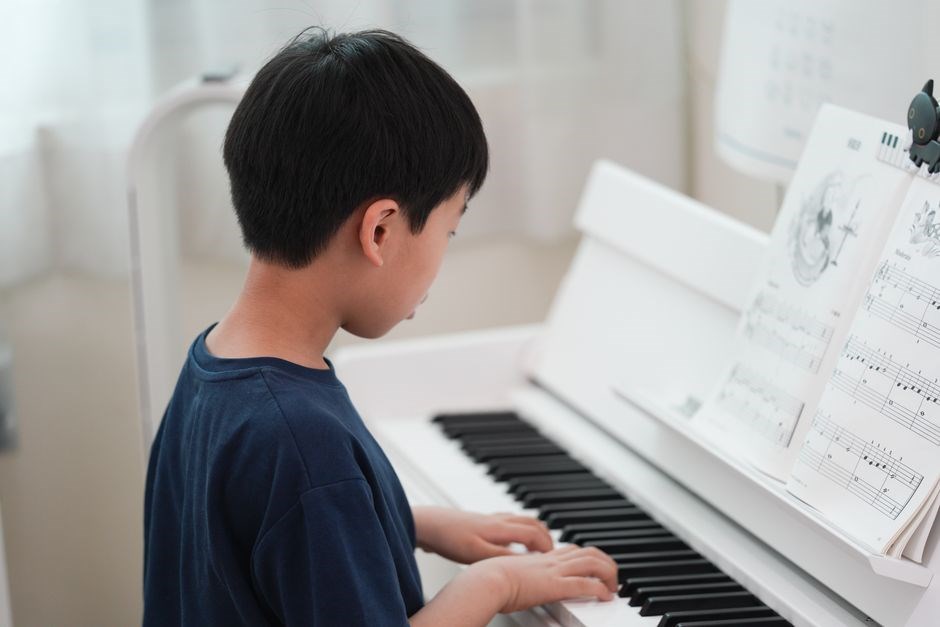
The printable PDF format of the beginner piano book is designed for convenient home use. Users can download the PDF file directly from the online store and print it on standard A4 or letter paper. The layout is optimized for clarity, with large, high‑resolution musical notation and bold headings. Each page includes a concise summary of lesson objectives, key concepts, and a set of practice exercises that can be completed at the student’s own pace. The printable version is fully compatible with any digital or acoustic piano, keyboards, and MIDI controllers. Because the PDF is a static document, it can be printed in black‑and‑white or color, depending on preference. The PDF can be bookmarked and annotated using PDF readers, allowing students to add personal notes or mark areas that need extra attention. For homeschool families, the PDF provides a structured, self‑paced learning path that can be integrated into daily practice schedules. The design includes ample white space to reduce visual clutter, and the consistent font and layout ensure that learners focus on the music rather than on deciphering the text. The printable PDF is part of a broader suite of resources that also includes tactile U‑KEYS sets for future braille integration, as well as an online video library that complements the written lessons. By combining the flexibility of a printable PDF with the interactive features of digital tools, beginners can enjoy a comprehensive learning experience that adapts to their individual needs and learning styles.
- Easy to download and print on any device.
- High‑resolution notation for clear reading.
- Compatible with all types of keyboards and pianos.
- Supports both black‑and‑white and color printing.
- Bookmarking and annotation features for personalized study.
- Ideal for homeschool and self‑paced learning.
- Integrates with U‑KEYS tactile sets for future braille use.
- Complementary online video library for visual reinforcement.
Tactile Learning Options: U-KEYS
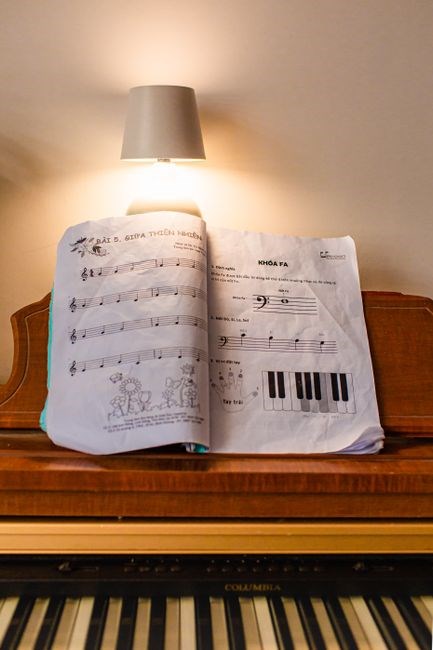
For learners who benefit from tactile engagement, the U‑KEYS system offers a unique bridge between visual notation and physical touch. Each U‑KEYS set contains a series of raised, color‑coded keys that correspond to the notes on a standard piano keyboard. The tactile symbols are designed to be intuitive, allowing students to feel the shape and position of each pitch while simultaneously reading the printed PDF. By integrating U‑KEYS with the beginner piano book PDF, users can practice hands‑on exercises that reinforce muscle memory and improve sight‑reading speed. The sets are available in various bundle packs, ranging from single‑key kits for early beginners to full‑keyboard configurations for more advanced practice. These bundles can be purchased directly from the official U‑KEYS website or through the Etsy marketplace, where additional customization options such as braille overlays are offered. The tactile approach is especially beneficial for visually impaired students or those who prefer kinesthetic learning styles. It also supports inclusive education by providing a multisensory pathway to music literacy. When paired with the step‑by‑step PDF lessons, the U‑KEYS system transforms abstract notation into concrete, feelable patterns, fostering confidence and accelerating progress. Whether you are a self‑taught learner, a homeschool parent, or a music teacher, incorporating U‑KEYS into your practice routine can enhance retention and deepen musical understanding. The tactile system also encourages consistent practice habits, as students can quickly identify mistakes through touch, leading to faster correction and mastery of complex passages. This integrated approach aligns with modern pedagogical standards, ensuring learners achieve measurable progress within months.

Visual Piano Lessons Format
Students find the visual format’s clear layout and interactive features reduce frustration and boost motivation; Aligning the PDF with the keyboard lets learners see finger placement for chords and arpeggios, easing transition from theory to performance. Each lesson ends with a quiz reinforcing concepts and instant feedback. This blend of visual cues, tactile overlays, and self‑assessment creates a holistic learning environment that adapts to individual pace. It guides daily curriculum. swiftly. The PDF’s color‑coded staff lines correspond to the keyboard’s key colors, allowing learners to match visual cues with tactile sensation instantly. Each lesson includes a progress bar that fills as students complete sections, providing a visual representation of mastery that motivates continued practice. Integrated audio playback lets students hear the correct fingering while following the sheet, reinforcing auditory memory alongside visual learning. The layout supports both left‑hand and right‑hand exercises, ensuring balanced development of technique and independence for each hand. Teachers can annotate the PDF with custom notes, highlighting challenging passages or suggesting alternative fingerings, making the resource adaptable to diverse teaching styles. Because the PDF is searchable, learners can quickly locate specific pieces or exercises, streamlining study sessions and reducing frustration. The design also considers accessibility, offering high‑contrast options and adjustable font sizes for learners with visual impairments, ensuring inclusive education. Moreover, the visual format encourages self‑reflection; after each practice session, students can review the highlighted sections, identify patterns of improvement, and set targeted goals for the next session, fostering a growth mindset that is essential for long‑term musical development.

Step-by-Step Exercises
Step‑by‑step exercises in the beginner piano book PDF guide novices from simple scales to full‑length pieces. Each lesson starts with a warm‑up, then a focused drill that isolates a specific skill—hand independence, rhythmic accuracy, or dynamic contrast. The PDF uses a clean visual layout: color‑coded staff lines match the keyboard’s key colors, so students can see exactly where each finger should land. After the drill, a short, easy song applies the new technique in a musical context, reinforcing retention. Exercises are arranged in progressive levels, allowing learners to advance only after mastering the previous section. A built‑in progress tracker marks completed drills, giving instant visual feedback and encouraging consistency. Optional audio playback lets students hear the correct fingering and tempo. Teachers can annotate the PDF with custom notes, highlighting challenging passages or suggesting alternative fingerings, making the resource adaptable to diverse teaching styles. Because the PDF is searchable, learners can quickly locate specific exercises, streamlining study sessions and reducing frustration. The step‑by‑step approach promotes a growth mindset: students see measurable progress, set targeted goals, and gain confidence for more complex repertoire.
In addition, the PDF offers a practice log where students record daily hours, challenges, and achievements. This reflective practice helps learners identify patterns, adjust routines, and stay motivated. The exercises are compatible with U‑KEYS tactile sets, so students with visual impairments can use braille overlays while following the visual sheet. The combination of visual, tactile, and auditory cues creates a multi‑sensory learning environment that caters to various learning styles. By following the step‑by‑step exercises, beginners build a solid technical foundation, develop musicality, and gain confidence to tackle more complex repertoire.
Each exercise ends with a reflection prompt, prompting students to note what felt natural and what needed extra focus. This mindful habit accelerates skill growth daily

Easy Songs for Confidence
song uses simple chords clear rhythms, and gradual tempo changes, allowing students to master performance before tackling complex pieces.
Print the PDF or use a tablet. The format supports sheet‑musicand play‑throughs giving flexible practice for classroom settings
Beginner-Friendly Language

In the beginner piano book PDF, the instructional text is crafted with clarity and simplicity, ensuring that even those with no prior musical background can follow along effortlessly. Each lesson introduces terminology in plain English, avoiding jargon such as “forte” or “legato” until the student is comfortable. The book uses short, direct sentences and active voice, making explanations easy to comprehend. Visual cues accompany every new concept, with diagrams that label key positions and hand placements. The language is inclusive, encouraging confidence by using encouraging phrases like “you’re doing great” and “practice makes perfect.” The narrative style is conversational, using “you” and “we” to create a sense of partnership. It explains each step in a logical sequence, so learners can see how concepts build upon one another. The text is peppered with motivational remarks, such as “keep going” and “you’re getting better each day,” to sustain enthusiasm. A glossary section defines musical terms in everyday language, so students can quickly reference definitions without feeling overwhelmed. Side notes provide practical tips for common beginner challenges, such as hand coordination and rhythm consistency, written in a friendly tone. This approach keeps the learning curve gentle and the student’s confidence high, fostering a positive, engaging environment that promotes steady progress.
The book’s tone remains encouraging, with short explanations that avoid technical jargon until the student is ready. It includes practice tips, such as “repeat slowly” and “listen to the rhythm,” to reinforce learning. Visual aids show hand positions and note values, making concepts clear.!!!
Fast Progress Design
The beginner piano book PDF is engineered for rapid advancement, combining concise lessons with targeted practice routines that keep learners moving forward. Each module introduces a new concept—such as key recognition, rhythm patterns, or hand coordination—followed immediately by a short, focused exercise that reinforces the idea. This “learn‑and‑apply” structure eliminates idle time and ensures that every page spent is a step toward proficiency.
- Progressive difficulty: lessons start with simple scales and single‑note melodies, then layer in chords and syncopated rhythms.
- Time‑boxed drills: each exercise is capped at a specific duration, encouraging efficient practice sessions.
- Immediate feedback: visual cues and color‑coded notes highlight correct versus incorrect positions.
- Motivational checkpoints: after each milestone, a short recap and a celebratory note boost confidence.
Because the material is printable, students can practice offline, and the PDF’s responsive design allows for quick navigation on any device. The inclusion of U‑KEYS tactile sets offers an optional hands‑on component that accelerates muscle memory for those who prefer a physical reference. Overall, the fast‑progress design keeps beginners engaged, reduces frustration, and delivers measurable results in a fraction of the time typically required.
Students who master these exercises can quickly transition to more complex repertoire, ensuring a smooth and satisfying learning journey.
Self-Tuition Book Overview
The self‑tuition book PDF is a comprehensive guide designed for learners who prefer independent study. It features a clear, step‑by‑step structure that introduces foundational concepts—such as note‑reading, rhythm, and hand technique—before progressing to more advanced pieces. Each chapter contains concise explanations, visual diagrams, and practice exercises that can be completed at the student’s own pace. The layout is optimized for both screen and print, allowing users to switch between digital and hard‑copy formats seamlessly. A built‑in progress tracker lets learners mark completed sections and set personal goals, fostering motivation and accountability. The PDF also includes optional U‑KEYS tactile sets for those who benefit from a physical reference, enhancing muscle memory and reinforcing learning. With a focus on clarity and accessibility, the book is suitable for beginners of all ages, from young children to adult novices. It encourages self‑confidence by celebrating small victories and providing constructive feedback throughout the learning journey.
Students can track progress with a built‑in checklist, marking each completed exercise and noting improvement areas. The PDF’s clear layout breaks complex passages into manageable segments, making practice efficient. Visual cues, rhythmic notation, and tactile references help learners develop a holistic piano technique. for all levels.!!
Links and Navigation Guide
For a smooth learning journey, the PDF is organized into clearly labeled sections that can be accessed directly through the built‑in table of contents. Each chapter begins with a concise summary, followed by a numbered list of exercises, and ends with a short quiz to reinforce key concepts. Clicking on a chapter title in the table of contents jumps straight to that section, saving time and keeping focus. The PDF also includes hyperlinks to external resources: a YouTube playlist that demonstrates each technique, a forum for peer discussion, and a downloadable practice log that can be printed or filled digitally. Users can bookmark favorite passages and use the “Back to Top” link at the bottom of every page for quick navigation. The navigation panel on the left side of the screen provides a live outline, allowing learners to see their current location and jump to any other part of the book with a single click. For those who prefer a tactile experience, a printable version of the navigation sheet is available in the appendix, complete with checkboxes for marking completed lessons. This multi‑modal approach ensures that whether you’re scrolling on a tablet or flipping through a printed copy, you can always find your place and keep progressing efficiently.
First Piano Purchase Tips
Choosing the right instrument is a foundational step for any beginner. When you’re ready to buy, start by determining your budget and the type of piano that best fits your learning goals. A digital piano with weighted keys and a realistic touch will mimic an acoustic piano’s feel, making the transition smoother. Look for models that include built‑in metronomes, recording functions, and a variety of sound presets, as these features support structured practice and keep motivation high. Consider portability if space is limited; many modern digital pianos come with a lightweight chassis and optional wheels. Ensure the unit has a stable, flat surface for the bench, and that the sustain pedal is responsive. If you plan to use the U‑KEYS tactile set later, verify that the piano’s sustain pedal can accommodate the tactile key attachments. Finally, test the instrument in person, if possible, to feel the key action and hear the sound quality. A well‑chosen piano will provide a reliable foundation for the exercises and songs outlined in the beginner piano book PDF, helping you progress quickly and confidently. Additionally, a balanced sustain pedal and a responsive touch plate will help you develop dynamics and expressive phrasing from the outset for kids!
When choosing a digital piano, also check audio output options. A model with a headphone jack allows silent practice, while a built‑in speaker system gives richer sound. Brands offer warranties covering key action and electronics for at least two years. If on a tight budget, consider refurbished units from reputable sellers. Don’t forget a bench, metronome, and music stand to enhance practice. Consider the sustain pedal feel; a responsive pedal enhances expression. A clear, flat surface ensures the bench stays stable during long sessions. Read reviews and watch demos before buying.
Self-Trust in Learning

Maintain a practice journal. Write down what you practiced, how long, and any thoughts that arise. Journaling turns abstract effort into tangible evidence that you are improving, reinforcing self‑confidence. Over weeks, the journal becomes a visual proof that you are improving, reinforcing self‑confidence. Pair this with a supportive mindset:replace “I can’t” with “I’m learning” The beginner piano book PDF is a tool, but your belief in yourself is the engine that drives progress.
Self-trust grows with each practice session. Self-trust grows with each practice session. Self-trust grows with each practice session. Self-trust grows with each practice session. Self-trust grows with each practice session. Self-trust grows with each practice session. Self-trust grows with each practice session. Self-trust grows with each practice session. Self-trust grows with each practice session. Self-trust grows with each practice session. Self-trust grows with each practice session. Self-trust grows with each practice session. Self-trust grows with each practice session. Self-trust grows with each practice session. Self-trust grows with each practice session. Self-trust grows with each practice session. Self-trust grows with each practice session. Self-trust grows with each practice session. Self-trust grows with each practice session. Self-trust grows with each practice session. Self-trust grows with each practice session. Self-trust grows with each practice session. Self-trust grows with each practice session. Keep believing progress!!. Trust grows todaynow.
Updated Curriculum from Andersonstown School
The beginner piano book PDF incorporates the latest Andersonstown School curriculum, refreshed in March 2015 to align with contemporary teaching standards while preserving its traditional roots. This dual‑focus approach ensures learners receive a balanced foundation in classical repertoire, sight‑reading, and rhythmic precision, alongside modern techniques such as improvisation, jazz harmony, and digital music production. The curriculum is structured in progressive modules, each containing clear learning objectives, targeted exercises, and graded pieces that build from simple scales to complex arrangements. Students can track their progress through integrated assessment checkpoints, allowing them to identify strengths and areas for improvement. The PDF format offers flexibility: it can be printed for tactile study or viewed on any device for on‑the‑go practice, making it ideal for home‑based or classroom use. By following Andersonstown’s updated syllabus, beginners gain confidence, develop technical skill, and cultivate a lifelong appreciation for music.
Andersonstown’s updated syllabus reflects contemporary pedagogical research, integrating evidence‑based practice schedules, metronome‑guided tempo drills, and auditory discrimination exercises. It also offers optional modules on electronic music production, digital audio workstations, and collaborative online ensembles, ensuring students remain engaged with modern musical technologies while mastering classical fundamentals. Students receive personalized feedback through weekly online video reviews!