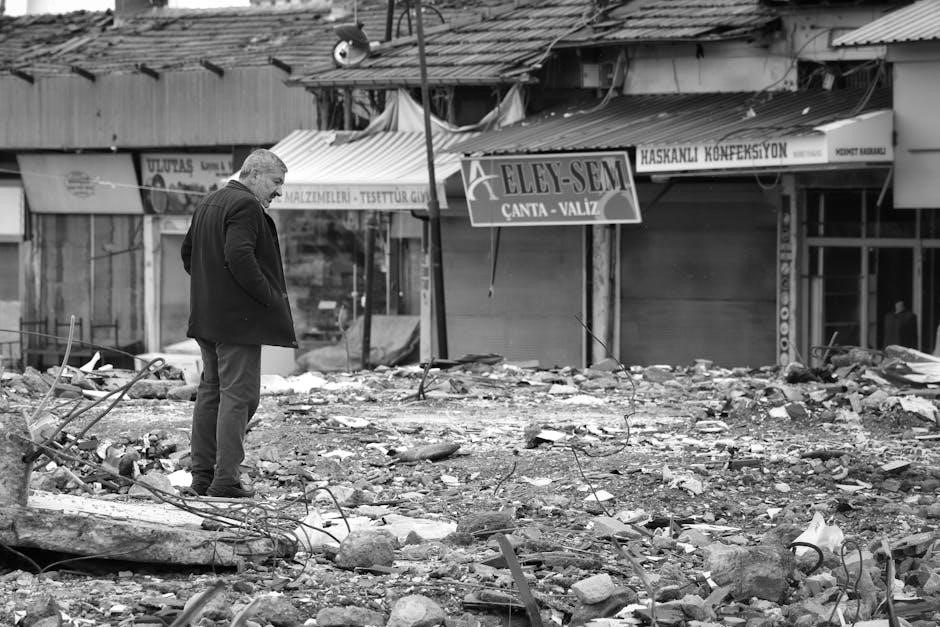
“The Book”‚ a 400-page collaboration‚ presents itself as “The Ultimate Guide To Rebuilding Civilization”‚ inspiring readers to envision a hopeful‚ sustainable future.
This comprehensive resource aims to empower individuals and communities‚ offering practical knowledge for navigating a post-collapse world‚ as highlighted by recent online commentary.
Overview of the Book’s Premise
“The Book” boldly proposes a roadmap for societal reconstruction following a catastrophic event‚ moving beyond mere survival to genuine rebuilding. It isn’t simply about reverting to historical methods‚ but intelligently applying both modern and historical technologies.
The core idea centers on collaborative effort‚ acknowledging that the scale of post-collapse challenges demands collective action – a sentiment echoed by Jackson Ridge‚ who praises its real-world solutions.
However‚ online discussions reveal skepticism‚ with some questioning human nature and the feasibility of cooperation‚ referencing experiences like the game “DayZ”. Despite this‚ the premise champions learning from past mistakes‚ aiming to “unlock civilization” for all ages.
Initial Reactions and Skepticism (Online Commentary ─ 03/09/2026)
As of March 9th‚ 2026‚ online reactions to “The Book” are mixed. Some dismiss it as idealistic‚ questioning whether civilization can truly be rebuilt given inherent human “pettiness‚” as one commenter noted. Concerns arise about the practicality of a single volume‚ with preferences leaning towards diversified ebook resources.
A recurring theme references the unforgiving player-versus-player (PvP) environment of “DayZ”‚ suggesting that without substantial force‚ chaos and “KOS” (kill-on-sight) would prevail.
Despite skepticism‚ there’s recognition of the book’s ambitious scope and collaborative nature‚ described as a “joyous combination” by reviewers‚ though its ultimate effectiveness remains debated.
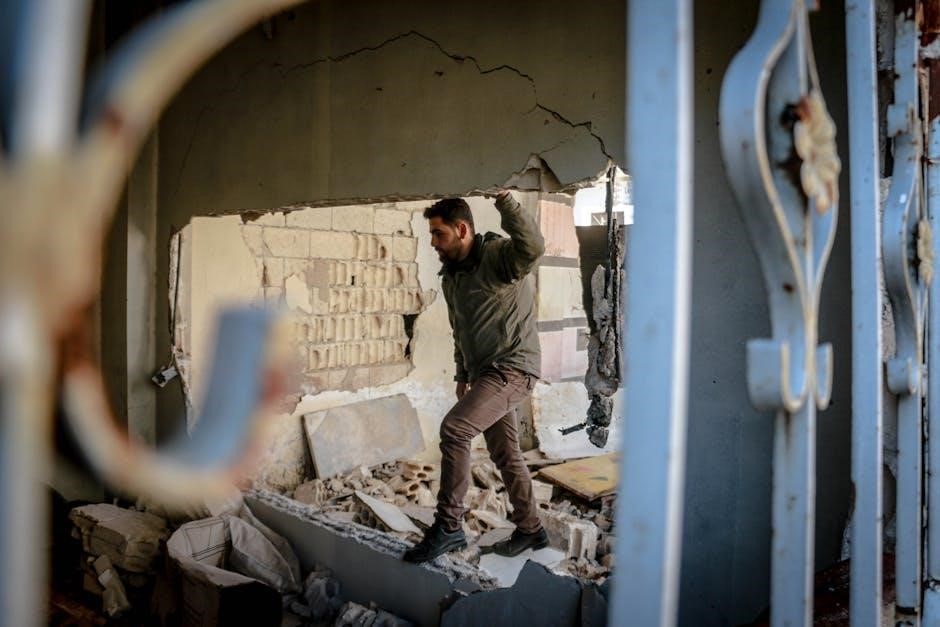
Content and Scope of “The Book”
“The Book” comprehensively covers essential knowledge‚ from fundamental technologies to sustainable practices‚ aiming to equip readers for rebuilding society after a collapse event.
The Book as a Collaborative Effort (400 Pages)
“The Book” isn’t the work of a single author‚ but a remarkable 400-page collaboration between numerous writers‚ designers‚ artists‚ and print professionals. This collective effort ensures a breadth of expertise and perspective‚ resulting in a truly comprehensive guide.
Online reviews emphasize the significance of this collaborative nature‚ highlighting the dedication and skill poured into its creation. It’s described not just as a book‚ but as a testament to shared knowledge and a unified vision for rebuilding civilization. The sheer volume – 400 pages – speaks to the depth of information contained within‚ making it a substantial resource for those preparing for a challenging future.
Target Audience: From Adults to Children (“Unlocking Civilization”)
“The Book” uniquely caters to a broad audience‚ spanning adults seeking practical rebuilding strategies and children eager to learn essential life skills. Complementing the main guide‚ “Unlocking Civilization: A Kids Guide to Rebuilding the World” specifically inspires young minds to think critically and creatively about the future.
This dual approach recognizes the importance of intergenerational knowledge transfer and empowers all ages to contribute to a more resilient society. The guides aim to foster problem-solving skills and collaborative spirit‚ preparing both adults and children for the challenges ahead.
Core Philosophy: Rebuilding vs. Repeating Past Mistakes
“The Book” champions a core philosophy centered on learning from history‚ rather than simply recreating it. The guide doesn’t advocate for a return to past societal structures‚ but instead focuses on building a more sustainable and equitable future. It acknowledges the potential for repeating errors‚ urging readers to critically examine past systems.
This approach emphasizes innovation and adaptability‚ recognizing that a successful rebuild requires a departure from the practices that contributed to the initial collapse. The text encourages a mindful and proactive approach to societal reconstruction.

Essential Knowledge Areas Covered
“The Book” delves into vital areas like technology‚ sustainable living‚ resource management‚ agriculture‚ and sanitation – crucial for post-collapse survival and rebuilding.
Understanding Fundamental Technologies (Modern vs. Historical)
“The Book” uniquely bridges the gap between modern and historical technologies‚ prompting readers to consider how past innovations inform present-day understanding. It asks a compelling question: do we truly grasp the mechanics behind everyday conveniences?
The text suggests imagining explaining a telephone or car to someone from the Middle Ages‚ highlighting the importance of foundational knowledge. This section likely details the principles behind electricity‚ mechanics‚ and communication‚ offering both theoretical understanding and practical application for a world potentially devoid of complex infrastructure.
It’s about more than just using technology; it’s about recreating it.
Sustainable Living Practices
“The Book” emphasizes a shift from repeating past mistakes to actively rebuilding with sustainability at its core. This section likely details methods for minimizing environmental impact and maximizing resource utilization in a post-collapse scenario.
Expect comprehensive guidance on topics like permaculture‚ composting‚ and responsible forestry. Jackson Ridge’s contribution highlights real-world solutions‚ suggesting a focus on practical‚ achievable strategies for long-term self-sufficiency.
The guide likely moves beyond simple survival to fostering a resilient‚ ecologically balanced lifestyle for future generations.
Resource Management in a Post-Collapse Scenario
“The Book” acknowledges the immense challenges of scarcity following a societal collapse‚ stressing that collaboration is key to overcoming them. This section likely details strategies for identifying‚ securing‚ and efficiently allocating dwindling resources.
Expect guidance on salvaging materials‚ establishing local supply chains‚ and implementing rationing systems. The online commentary hints at the need to address competition‚ suggesting the book doesn’t shy away from difficult realities.
Effective resource management is presented as vital for both survival and rebuilding a stable community.
Agriculture and Food Production
“The Book” dedicates significant attention to establishing sustainable food sources‚ recognizing agriculture as foundational for long-term survival. Expect detailed instructions on cultivating crops suited to various climates and soil conditions‚ moving beyond reliance on existing infrastructure.
The guide likely covers seed saving‚ composting‚ and pest control methods – essential skills for a post-collapse world. It probably addresses animal husbandry‚ offering guidance on raising livestock for food and other resources.
Successfully feeding a community is presented as paramount to rebuilding civilization.
Water Purification and Sanitation
“The Book” rightly prioritizes access to clean water and effective sanitation‚ recognizing these as critical for public health in a post-collapse scenario. Expect detailed‚ practical guidance on constructing filtration systems using readily available materials‚ moving beyond reliance on municipal water treatment.
The guide likely details methods for boiling‚ distilling‚ and utilizing natural purification techniques. Crucially‚ it probably addresses waste management and the prevention of disease outbreaks‚ vital for community survival.
Maintaining hygiene is presented as essential for rebuilding civilization.

Social and Political Considerations
“The Book” tackles complex issues of community governance‚ conflict resolution‚ and human nature‚ acknowledging the “DayZ” reality of potential societal breakdown.
It emphasizes cooperation and the need to address inherent human pettiness for successful rebuilding.
Community Building and Governance
“The Book” stresses that successful post-collapse rebuilding hinges on robust community structures and effective governance. It moves beyond individual prepping‚ advocating for a societal approach to resilience. The text acknowledges the inherent challenges – referencing concerns mirroring gameplay in “DayZ” – where unchecked self-interest can quickly dismantle progress.
Establishing clear‚ equitable systems for resource allocation‚ decision-making‚ and conflict resolution are paramount. The guide likely explores various models‚ from direct democracy to more structured forms‚ emphasizing adaptability to local contexts. It’s a call for proactive planning‚ recognizing that a functioning society requires more than just survival skills; it demands cooperation and a shared vision for the future.
Conflict Resolution and Security (Addressing “DayZ” Concerns)
“The Book” directly confronts the grim realities of a post-collapse world‚ acknowledging the potential for widespread conflict – a sentiment echoed by online commentary referencing the brutal “DayZ” experience. The guide likely doesn’t shy away from the necessity of security measures‚ but frames them within a broader context of de-escalation and restorative justice.
It probably explores strategies for establishing clear boundaries‚ mediating disputes‚ and building trust within communities. Recognizing human nature’s “pettiness‚” the text likely emphasizes the importance of preemptive conflict resolution‚ alongside practical self-defense techniques‚ aiming to minimize violence and foster a more stable environment.
The Role of Human Nature (Pettyness and Cooperation)
“The Book” realistically assesses human behavior‚ acknowledging both our capacity for cooperation and our tendency towards “pettiness‚” as noted in online discussions. It likely doesn’t present an idealized view of rebuilding society‚ but instead‚ prepares readers for the inevitable interpersonal conflicts that will arise in a resource-scarce environment.
The guide probably explores strategies for mitigating negative behaviors – greed‚ envy‚ and power struggles – while simultaneously fostering empathy‚ collaboration‚ and a shared sense of purpose. Understanding these inherent human traits is crucial for building resilient communities capable of long-term survival.
Education and Knowledge Preservation
“The Book” emphasizes the vital importance of preserving and transmitting knowledge to future generations‚ recognizing that a loss of understanding fundamental technologies could hinder rebuilding efforts. The existence of a dedicated “Kids Guide” – “Unlocking Civilization” – demonstrates a commitment to engaging younger minds in this process.
Beyond simply documenting skills‚ the guide likely advocates for establishing educational systems within rebuilt communities‚ ensuring that essential knowledge isn’t lost with each passing generation. This focus on education is presented as a cornerstone of long-term societal resilience.

Practical Skills and Techniques
“The Book” details essential skills like construction‚ medical aid‚ tool repair‚ and energy production – crucial for self-sufficiency and rebuilding infrastructure in a post-collapse scenario.
Basic Construction and Shelter Building
“The Book” emphasizes the necessity of practical construction knowledge‚ moving beyond simply surviving to actively rebuilding. It doesn’t just cover rudimentary shelter; it delves into techniques for creating durable‚ sustainable structures utilizing locally sourced materials.
Readers will find guidance on foundational building principles‚ from laying foundations to constructing walls and roofs. The guide acknowledges the challenges of a post-collapse world‚ focusing on resourcefulness and adaptability. It’s about more than just having a roof overhead; it’s about establishing a secure base for community and long-term resilience‚ a key tenet of the book’s philosophy.
Medical Knowledge and First Aid
“The Book” recognizes that access to modern medical facilities will likely be severely limited in a post-collapse scenario‚ making self-sufficiency in healthcare paramount. It provides a comprehensive overview of essential first aid techniques‚ covering everything from wound care and fracture stabilization to treating common illnesses.
Beyond immediate care‚ the guide explores identifying and utilizing medicinal plants‚ creating basic pharmaceuticals‚ and understanding preventative health measures. This section isn’t intended to replace professional medical training‚ but to equip individuals with the knowledge to address critical health needs when conventional resources are unavailable‚ fostering community resilience.
Tool Making and Repair
“The Book” emphasizes that the ability to create and maintain tools will be crucial for survival and rebuilding. It details methods for crafting essential implements from readily available materials‚ moving beyond reliance on manufactured goods. This includes blacksmithing basics‚ woodworking techniques‚ and utilizing salvaged materials.
The guide doesn’t just focus on creation; it provides detailed instructions for repairing broken tools and equipment‚ extending their lifespan and reducing waste. This section acknowledges the importance of resourcefulness and adaptability‚ empowering readers to become self-reliant and minimize dependence on external supply chains.
Energy Production and Storage
“The Book” dedicates significant attention to energy solutions beyond the modern grid‚ recognizing its likely absence in a post-collapse scenario. It explores both historical and modern technologies‚ detailing the construction of simple windmills‚ water turbines‚ and solar collectors.
Crucially‚ the guide doesn’t stop at production; it covers practical methods for energy storage‚ including battery construction (from salvaged materials where possible) and the creation of efficient fuel sources. This section stresses the need for sustainable and localized energy systems‚ vital for long-term community resilience.

Addressing Challenges of a Post-Collapse World
“The Book” acknowledges immense hurdles‚ emphasizing collaboration as essential for survival‚ countering scarcity‚ and maintaining morale amidst widespread disruption and potential conflict.
The Scale of the Challenges (Collaboration is Key)
“The Book” doesn’t shy away from the daunting reality of a post-collapse scenario‚ recognizing that individual preparedness‚ while valuable‚ is ultimately insufficient. Jackson Ridge aptly notes the challenges are “too great for any one person.”
Success hinges on collective effort‚ fostering community‚ and establishing robust governance structures. Online commentary reflects skepticism regarding human nature – the potential for “pettyness” and “DayZ”-like scenarios – but “The Book” implicitly argues that organized cooperation offers the best path forward‚ mitigating conflict and maximizing resource utilization for long-term resilience.
It’s a call for societal rebuilding‚ not isolated survival.
Dealing with Scarcity and Competition
“The Book” acknowledges that a post-collapse world will inevitably be defined by scarcity‚ intensifying competition for dwindling resources. This reality fuels concerns‚ echoed in online discussions referencing the ruthless “KOS” (Kill On Sight) dynamics of games like DayZ‚ highlighting the darker side of human behavior.
However‚ the text likely advocates for strategies beyond brute force‚ emphasizing sustainable resource management‚ equitable distribution systems‚ and conflict resolution mechanisms.
The core philosophy centers on rebuilding better‚ learning from past mistakes‚ and prioritizing cooperation to overcome the challenges of limited supplies and potential conflict.
Maintaining Morale and Psychological Well-being
“The Book” likely addresses the often-overlooked‚ yet critical‚ aspect of psychological resilience in a post-collapse scenario. Facing constant hardship and loss can severely impact morale‚ hindering long-term rebuilding efforts.
Recognizing the potential for “pettyness” within human nature – as noted in online commentary – the guide probably emphasizes the importance of community building‚ fostering hope‚ and establishing routines.
Strategies for managing trauma‚ promoting mental health‚ and preserving cultural values are essential for maintaining a positive outlook and collective determination during challenging times.
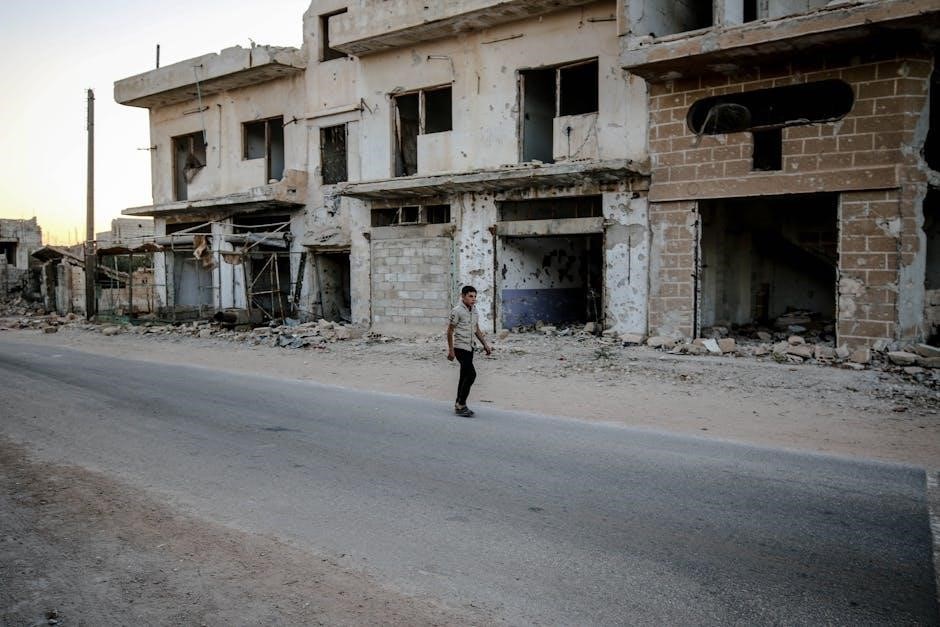
The Book’s Strengths and Weaknesses
“The Book” offers comprehensive coverage‚ yet risks overwhelming readers; adaptability and innovation are key‚ despite its 400 pages of detailed guidance.
Comprehensive Coverage of Essential Topics
“The Book” distinguishes itself through its remarkably broad scope‚ tackling everything from fundamental technologies – bridging modern understanding with historical methods – to sustainable living practices and crucial resource management strategies.
It delves into vital areas like agriculture‚ water purification‚ basic construction‚ and even medical knowledge‚ offering a holistic approach to rebuilding. Jackson Ridge praises its real-world solutions‚ acknowledging the scale of challenges requiring collaborative effort.
This depth aims to equip readers with the knowledge needed to not simply repeat past mistakes‚ but to forge a resilient future.
Potential for Overwhelm and Impracticality
Despite its comprehensive nature‚ “The Book” faces criticism regarding potential overwhelm. The sheer volume of information – 400 pages – could prove daunting for some‚ hindering practical application. Online commentary expresses skepticism about its real-world usefulness‚ questioning if it’s “kinda useless.”
Concerns arise about the feasibility of implementing such a wide range of skills‚ especially given the complexities of human nature and the potential for conflict‚ mirroring scenarios like those found in DayZ.
Adaptability and focused learning may be key to mitigating this issue.
The Importance of Adaptability and Innovation
“The Book”‚ while extensive‚ cannot foresee every post-collapse scenario. Therefore‚ adaptability and innovation are paramount. Relying solely on its contents risks stagnation; continuous learning and problem-solving are crucial. The online discourse acknowledges this‚ suggesting ebooks offer a degree of flexibility.
Successfully rebuilding civilization demands moving beyond simply replicating past systems‚ addressing the sentiment that it “will only help rebuild what never should have been.”
Embracing new approaches and tailoring knowledge to specific contexts will be vital for long-term resilience.
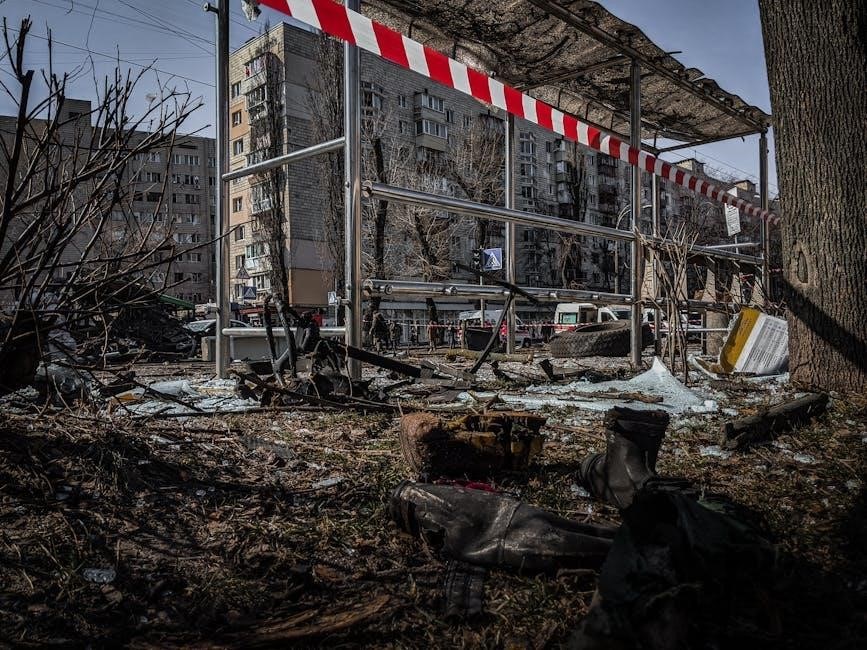
“The Book” in the Context of Prepping and Survivalism
“The Book” transcends typical prepping‚ advocating a societal approach to rebuilding‚ moving beyond individual preparedness‚ and emphasizing collaborative solutions for lasting resilience.
Beyond Individual Preparedness: A Societal Approach
“The Book” fundamentally shifts the focus from isolated survivalism to collective rebuilding‚ recognizing the immense scale of post-collapse challenges. Jackson Ridge aptly notes that these challenges are “too great for any one person.”
The text champions community building and governance as essential components of long-term sustainability. It acknowledges the inherent complexities of human nature – the potential for both “pettyness and cooperation” – and proposes strategies for conflict resolution.
This isn’t merely about stockpiling resources; it’s about establishing systems‚ preserving knowledge‚ and fostering a shared vision for a revitalized civilization‚ a concept resonating with the book’s collaborative spirit.
The Limitations of Ebooks vs. Physical Resources
While acknowledging the convenience of digital information‚ “The Book” implicitly highlights the crucial advantage of physical resources in a collapse scenario. Online commentary expresses skepticism‚ with one user preferring “lots of ebooks” but questioning their utility.
The reliance on electricity and functioning devices renders digital data vulnerable. A physical copy‚ like this 400-page tome‚ offers enduring accessibility‚ independent of infrastructure.
This distinction is vital for knowledge preservation and practical application‚ ensuring that essential skills and information remain available even when technology fails‚ a core tenet of rebuilding civilization.
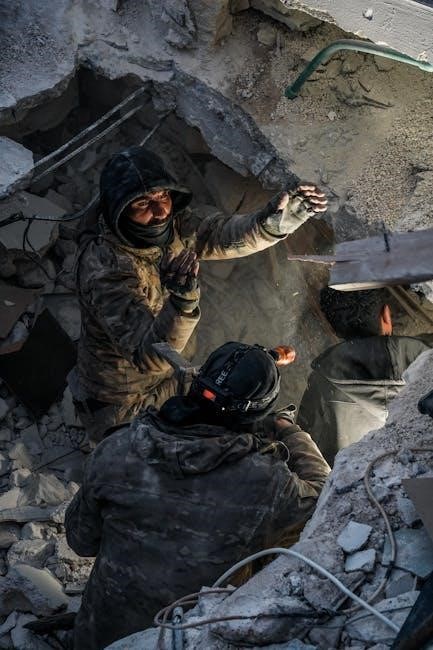
The Book’s Relevance in 2020 and Beyond
“The Book” gains resonance from recent global disruptions‚ notably 2020‚ emphasizing long-term resilience and the need for proactive societal rebuilding strategies.
The Impact of Recent Global Events (Mentioning 2020)
“The Book’s” emergence resonates deeply with the anxieties and lessons learned from recent global events‚ particularly 2020. The disruptions of that year – supply chain failures‚ social unrest‚ and a global pandemic – starkly revealed vulnerabilities in existing systems.
These events underscored the fragility of modern civilization and ignited a renewed interest in self-sufficiency‚ community resilience‚ and practical skills. “The Book” doesn’t merely offer theoretical solutions; it provides a tangible roadmap for rebuilding‚ acknowledging the potential for future crises and emphasizing proactive preparation. It’s a direct response to a world that suddenly felt less stable.
Long-Term Sustainability and Resilience
“The Book” champions a vision extending beyond immediate survival‚ focusing on long-term sustainability and building truly resilient communities. It advocates for a shift from simply rebuilding what was‚ to constructing systems that avoid repeating past mistakes.
This includes embracing sustainable living practices‚ responsible resource management‚ and localized food production. The text emphasizes collaboration as crucial‚ recognizing the scale of challenges ahead. It’s not about isolated preparedness‚ but collective action‚ fostering a future where communities can thrive independently and adapt to unforeseen circumstances‚ ensuring lasting stability.
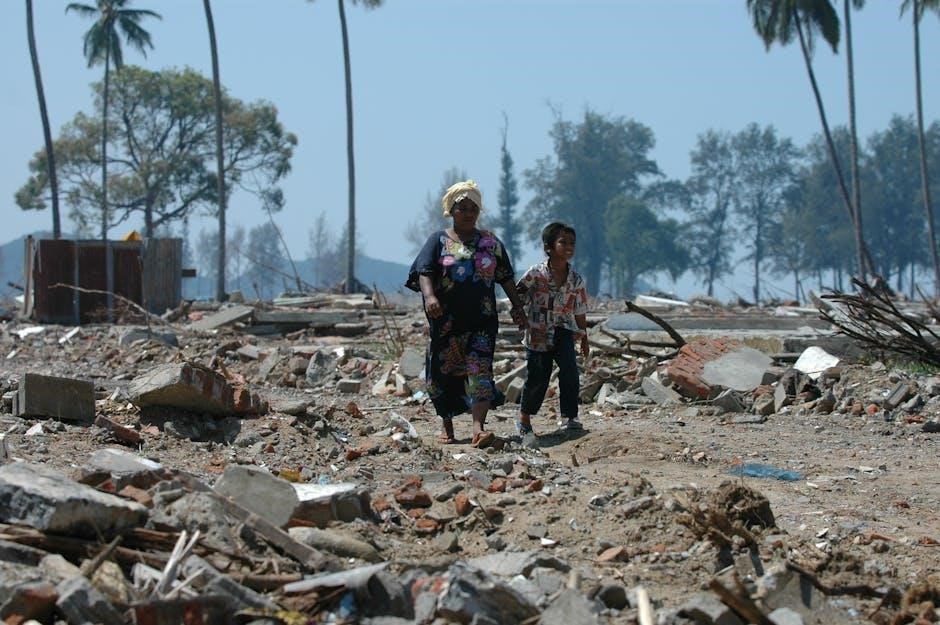
Is “The Book” Truly the Ultimate Guide?
“The Book” inspires action‚ urging future generations to learn‚ adapt‚ and collaborate—a potent resource‚ though ultimate success hinges on collective effort and innovation.
A Call to Action: Inspiring Future Generations
“The Book” isn’t merely a repository of knowledge; it’s a catalyst for proactive engagement. It challenges us to move beyond prepping and embrace a societal approach to resilience‚ fostering collaboration as the cornerstone of rebuilding.
Consider this a summons to share this vital information‚ to ignite curiosity in young minds – as “Unlocking Civilization” proposes – and to actively participate in shaping a more sustainable future. Don’t just skim the pages; internalize the principles and prepare to apply them.
The future isn’t predetermined; it’s built‚ brick by brick‚ by those willing to learn from the past and strive for a better tomorrow. “The Book” provides the blueprint; it’s up to us to build.