

In 2015, despite the rise of automatics, manual transmissions still offered a distinct driving experience, particularly in models like the Honda City and Ford Fiesta.
Globally, manual cars were becoming less common, often found in base variants, yet they retained appeal for drivers seeking greater control and engagement.
The Declining Popularity of Manual Transmissions
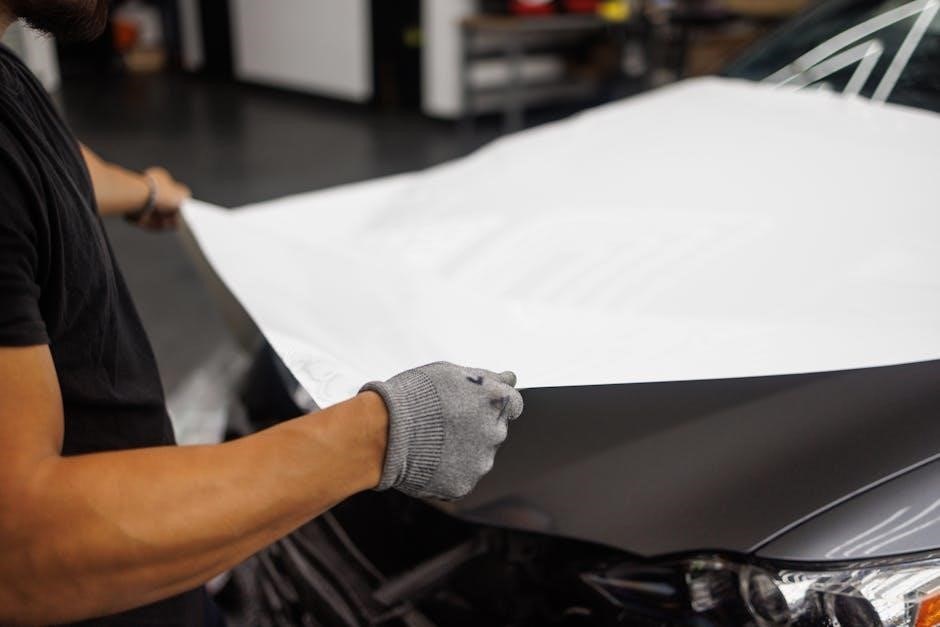
By 2015, a noticeable trend was underway: the diminishing presence of manual transmissions in the automotive landscape. Globally, these gearboxes were rapidly becoming a rarity, increasingly relegated to entry-level trims or niche sports cars. This shift was driven by consumer preference for the convenience and ease of use offered by automatic transmissions.
The Philippines represented a slight exception, where manuals remained more prevalent, often serving as the standard option for base models. However, even there, the tide was turning. Automakers were responding to market demands, prioritizing automatic options in their lineups. The complexity and perceived difficulty of mastering a manual gearbox contributed to its declining appeal for many drivers.

Furthermore, advancements in automatic transmission technology, such as continuously variable transmissions (CVTs) and sophisticated multi-speed automatics, offered improved fuel efficiency and performance, further eroding the advantages traditionally associated with manual gearboxes. The future looked increasingly automated, leaving the manual transmission a nostalgic choice for a dwindling number of enthusiasts.
Why Consider a 2015 Manual Car?
Despite the trend towards automatics, a 2015 manual car offered compelling advantages for certain drivers. The primary draw was the enhanced driver engagement and control – a more “analog” driving experience connecting the driver directly to the mechanics of the vehicle. This direct connection fostered a sense of involvement often lacking in automatic transmissions.
For enthusiasts, the ability to choose gears precisely provided a more rewarding and dynamic driving experience, particularly on winding roads or during spirited driving. Moreover, a manual transmission often resulted in slightly improved fuel efficiency, though the gap was narrowing with advancements in automatic technology.
The open-gate, seven-speed manual, for example, celebrated raw driving while incorporating safety features like reverse gear lock-out. Finally, a 2015 manual car typically came with a lower price tag compared to its automatic counterpart, making it an attractive option for budget-conscious buyers.
Key Models of 2015 Manual Cars
Several 2015 models prominently featured manual transmissions, including the Honda City 1.5L DX, Ford Fiesta 1.6L Titanium, and Mitsubishi Attrage 1.2 GLX, offering varied options.
Honda City 2015 (1.5L DX) ⏤ Manual Transmission Details
The 2015 Honda City 1.5L DX, when equipped with a manual transmission, provided a practical and engaging driving experience for budget-conscious buyers. This variant typically featured a five-speed manual gearbox, designed for efficiency and ease of use. The transmission was paired with a 1.5-liter i-VTEC engine, delivering a balance between performance and fuel economy.
Drivers could expect a relatively smooth shifting action, although it wasn’t necessarily geared towards sporty performance. The manual transmission allowed for greater control over engine RPMs, beneficial for navigating city traffic and maximizing fuel efficiency on longer journeys. The City’s manual option was often favored by those who preferred a more connected feel to their driving, offering a traditional driving experience in a modern package. It represented a cost-effective entry point into the Honda City lineup, appealing to a broad range of drivers.
Ford Fiesta 2015 (1.6L Titanium) ⏤ Manual Transmission Options
The 2015 Ford Fiesta 1.6L Titanium offered a more spirited driving experience, and a six-speed manual transmission was frequently available as an option, appealing to enthusiasts. This gearbox complemented the 1.6-liter engine, providing precise shifts and enhanced control. While automatic options existed, the manual transmission allowed drivers to fully exploit the Fiesta’s nimble handling characteristics.
The six-speed configuration contributed to improved fuel efficiency and reduced engine noise at highway speeds. The Fiesta’s manual gearbox was known for its relatively short throw, making gear changes quick and satisfying. For drivers prioritizing engagement and a direct connection to the vehicle, the manual Fiesta Titanium was a compelling choice. It represented a blend of practicality, style, and driving enjoyment, offering a more dynamic alternative to the automatic variants.
Mitsubishi Attrage 2015 (1.2 GLX) ⎼ Manual Gearbox Specifications
The 2015 Mitsubishi Attrage 1.2 GLX typically featured a five-speed manual transmission, geared towards maximizing fuel efficiency and providing accessible transportation. This gearbox was paired with a 1.2-liter three-cylinder engine, designed for economy rather than outright performance. The five-speed configuration offered a balance between usability and cost-effectiveness, making it a popular choice in markets where manual transmissions remained prevalent.
While not offering the sporty feel of some competitors, the Attrage’s manual gearbox was known for its light operation and straightforward design. Gear ratios were optimized for city driving and highway cruising, prioritizing fuel savings. The transmission’s simplicity contributed to its reliability and ease of maintenance. For buyers seeking an affordable and economical compact sedan, the manual Attrage GLX presented a practical and dependable option, emphasizing value over driving thrills.
Technical Aspects of 2015 Manual Transmissions
2015 saw traditional manual operation alongside innovations like iMT – Intelligent Manual Transmission – utilizing electronic control for clutch engagement and gear changes.
Traditional Manual Transmission Operation
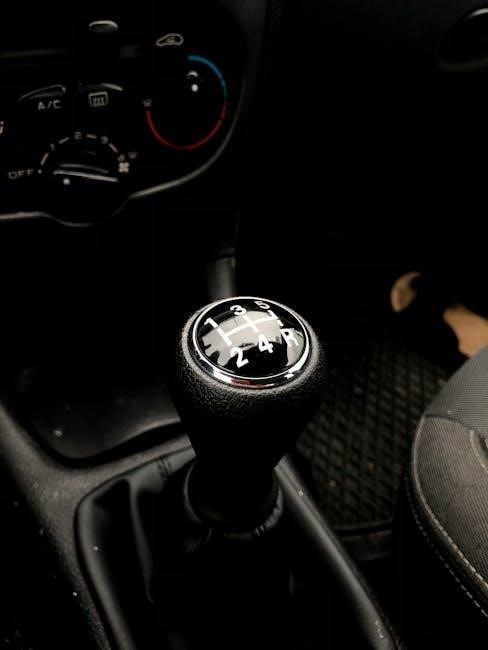
The core principle of a traditional manual transmission, prevalent in 2015 models like the Mitsubishi Attrage, revolves around a driver-controlled clutch and gear selector. The driver disengages the engine from the drivetrain using the clutch pedal, allowing for seamless gear changes via a shift lever connected to internal gears.
This mechanical linkage directly alters the gear ratio, influencing the vehicle’s speed and torque. Mastering the coordination between clutch engagement and throttle input is crucial for smooth acceleration and deceleration. The driver selects the appropriate gear based on speed and engine load, providing a direct connection to the vehicle’s performance.
This system, while requiring more driver involvement than automatics, offers precise control and a tactile driving experience. The open-gate, seven-speed manual celebrated raw, analog driving, and included a reverse gear lock-out for safety, preventing accidental engagement.
iMT (Intelligent Manual Transmission) ⏤ A 2015 Innovation
Emerging in 2015, Intelligent Manual Transmission (iMT) represented a fascinating bridge between traditional manual and automatic gearboxes. Unlike conventional manuals requiring a physical clutch pedal, iMT systems utilized electronic sensors and actuators to manage clutch engagement and disengagement.
Essentially, the driver’s intention to shift – signaled by the gear lever – was interpreted by a control unit, which then operated the clutch automatically. This offered the feel of a manual transmission without the constant need for clutch pedal operation, simplifying the driving experience for some.
The 6-speed iMT featured a fully wired clutch, where pressing the pedal simply sent a signal to the control unit. This innovation aimed to retain driver engagement while reducing fatigue, appealing to those seeking a balance between control and convenience. It was a notable, though not widespread, advancement in 2015.
Gear Ratios and Performance in 2015 Manual Cars
In 2015, manual car performance was heavily influenced by gear ratios, meticulously tuned to optimize engine output for various driving conditions. Models like the Honda City 1.5L DX, Ford Fiesta 1.6L Titanium, and Mitsubishi Attrage 1.2 GLX each employed unique ratios to balance acceleration, fuel efficiency, and cruising ability;
Generally, lower gear ratios provided quicker acceleration, while higher ratios prioritized fuel economy at highway speeds. The number of gears – typically five or six in 2015 – also impacted performance, with more gears allowing for finer engine speed control and improved efficiency.
Drivers could leverage these ratios to maximize performance, selecting the appropriate gear for the situation. A well-matched gear ratio contributed to a more engaging and responsive driving experience, a key appeal of manual transmissions.
Driving Experience and Benefits
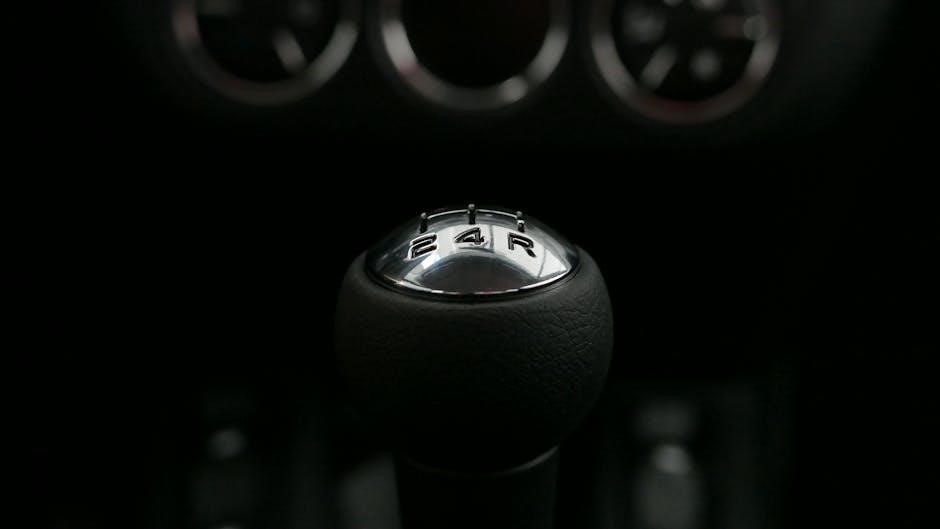
2015 manual cars delivered an “analog” driving feel, enhancing driver control and engagement through direct mechanical connection, offering a raw and responsive experience.
The Appeal of Analog Driving
The enduring appeal of a 2015 manual car lies in its “analog” driving experience – a direct, unmediated connection between driver and machine. Unlike the often-insulated feel of modern automatics, a manual transmission demands active participation, requiring the driver to manage gear selection and clutch engagement.
This hands-on approach fosters a heightened sense of control and involvement, transforming each drive into a more engaging and rewarding experience. The deliberate act of shifting gears allows drivers to feel intimately connected to the engine’s power delivery and the car’s overall dynamics.
For enthusiasts, this isn’t simply about practicality; it’s about preserving a driving tradition and savoring the tactile satisfaction of mastering a skill. The open-gate, seven-speed manual transmissions, celebrated for their raw feel, also incorporated safety features like reverse gear lock-out, blending tradition with modern considerations.
Enhanced Driver Control and Engagement
2015 manual cars provided a level of driver control largely absent in automatic counterparts. The ability to select the precise gear for any given situation – whether navigating winding roads or executing a passing maneuver – empowers drivers to optimize performance and responsiveness.
This direct control translates into increased engagement, demanding constant attention and skillful coordination. Drivers aren’t merely passengers; they are active participants in the driving process, anticipating road conditions and proactively adjusting gear ratios.

The involvement extends beyond simple gear changes. Clutch control, rev-matching, and heel-toe downshifting (for skilled drivers) add layers of complexity and satisfaction. This heightened engagement fosters a deeper understanding of the vehicle’s capabilities and a more rewarding connection with the road, making every journey more dynamic and enjoyable.
Fuel Efficiency Considerations with 2015 Manuals
In 2015, the fuel efficiency of manual transmission cars often presented a nuanced picture. While traditionally lauded for their potential to deliver better mileage than automatics, the actual difference depended heavily on driving style and vehicle specifics.
A skilled driver, proactively selecting optimal gears and avoiding unnecessary revving, could indeed extract greater fuel economy from a 2015 manual car. However, less experienced drivers, or those frequently encountering stop-and-go traffic, might not realize the same benefits.
Modern automatic transmissions, particularly those with multiple gears and sophisticated control systems, were closing the gap in fuel efficiency; Factors like vehicle weight, engine technology, and aerodynamic design also played significant roles. Ultimately, the fuel economy advantage of a 2015 manual hinged on maximizing driver skill and mindful operation.
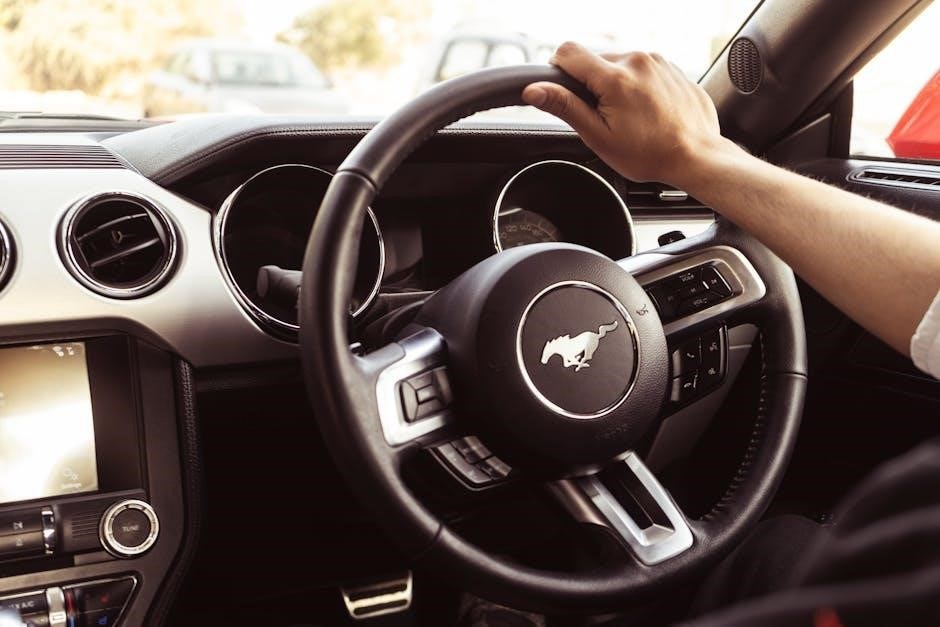
Safety Features Related to Manual Transmissions
In 2015, manual cars featured reverse gear lock-out mechanisms, preventing accidental engagement. Pressure alarm settings, adjustable based on the car manual, enhanced safety.

Reverse Gear Lock-Out Mechanisms
Reverse gear lock-out mechanisms were a crucial safety feature in 2015 manual transmission vehicles. These systems were designed to prevent accidental engagement of reverse gear while the vehicle was moving forward, a scenario that could cause significant damage or loss of control. Typically, these mechanisms required the driver to depress the clutch pedal fully, or to lift or push down on the shift lever, before reverse gear could be selected.
The implementation varied between manufacturers and models. Some systems utilized a mechanical linkage, while others employed a more sophisticated electronic interlock. The open-gate, seven-speed manual transmission celebrated raw driving, but also included this safety element. This feature was particularly important for less experienced drivers or in situations where a driver might be rushed or distracted, adding an extra layer of protection against unintended reverse movement at speed.
Pressure Alarm Settings and Adjustments
Pressure alarm settings, relating to clutch systems within 2015 manual cars, weren’t a commonly discussed feature for the average driver, but were vital for diagnostic and maintenance purposes. While not a direct “alarm” audible to the driver during normal operation, these settings within the vehicle’s computer systems monitored hydraulic pressure (in systems utilizing hydraulic clutches) and could trigger warning lights or diagnostic trouble codes if anomalies were detected.
Adjustments to these settings were typically performed by qualified technicians using specialized diagnostic tools. The correct pressure parameters varied significantly between different car models – Honda City, Ford Fiesta, Mitsubishi Attrage, for example – and were often specified in the vehicle’s service manual. Incorrect settings could lead to inaccurate diagnostics or improper clutch operation. Consulting a workshop or the car manual was essential for proper calibration, ensuring optimal clutch performance and preventing potential transmission issues.
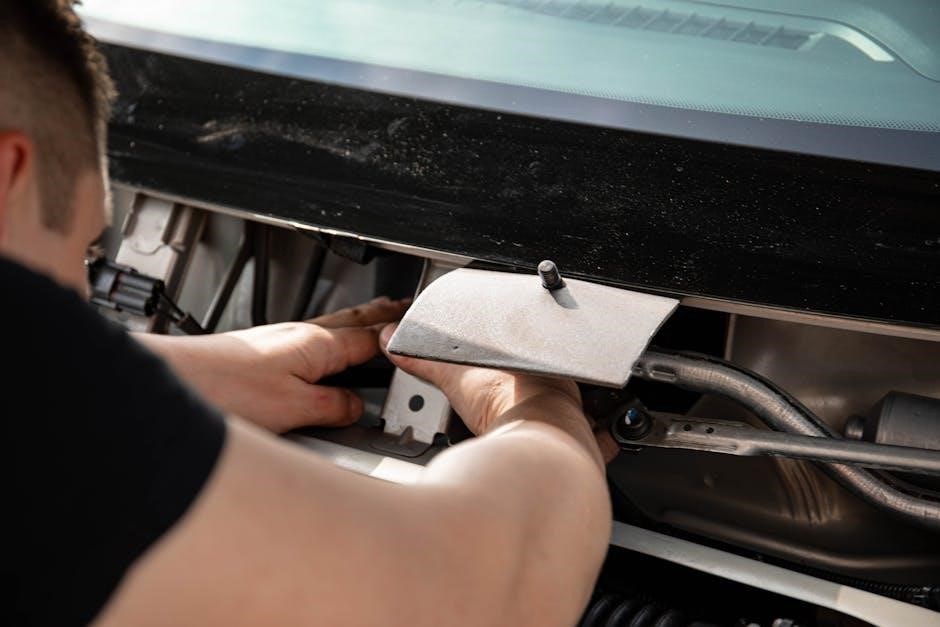
Maintenance and Reliability of 2015 Manual Cars
2015 manual cars, generally, proved quite reliable, benefiting from mature transmission designs. However, consistent maintenance was crucial for longevity. Regular clutch inspections were paramount, checking for wear and slippage, especially with frequent city driving. Transmission fluid changes, though less frequent than automatic transmissions, were still essential – typically every 30,000 to 60,000 miles, depending on driving conditions and manufacturer recommendations.
Shift linkage adjustments could become necessary over time, ensuring smooth and precise gear changes. Addressing any unusual noises – grinding, whining – promptly prevented more significant, costly repairs. The simplicity of the manual transmission often translated to lower repair costs compared to automatics. Proper driving habits, avoiding harsh shifting and “riding” the clutch, significantly extended component life, contributing to the overall dependability of these 2015 models.